

Whisky Fundamentals
Whisky Necromancers: Can the Dead Truly Rise Again?
Published 24/10/2025
Once, the lights went out in Port Ellen, Brora, and Rosebank. The stills cooled, the mash tuns fell silent, and the angels - who had been quietly helping themselves for decades - found the place oddly deserted. Their names lingered only in whispers, the kind exchanged reverently by collectors, poets, and those who like to pretend a dusty bottle can smell faintly of lost time. Now, decades later, the fires are lit once more.
Whisky Necromancers: Can the Dead Truly Rise Again?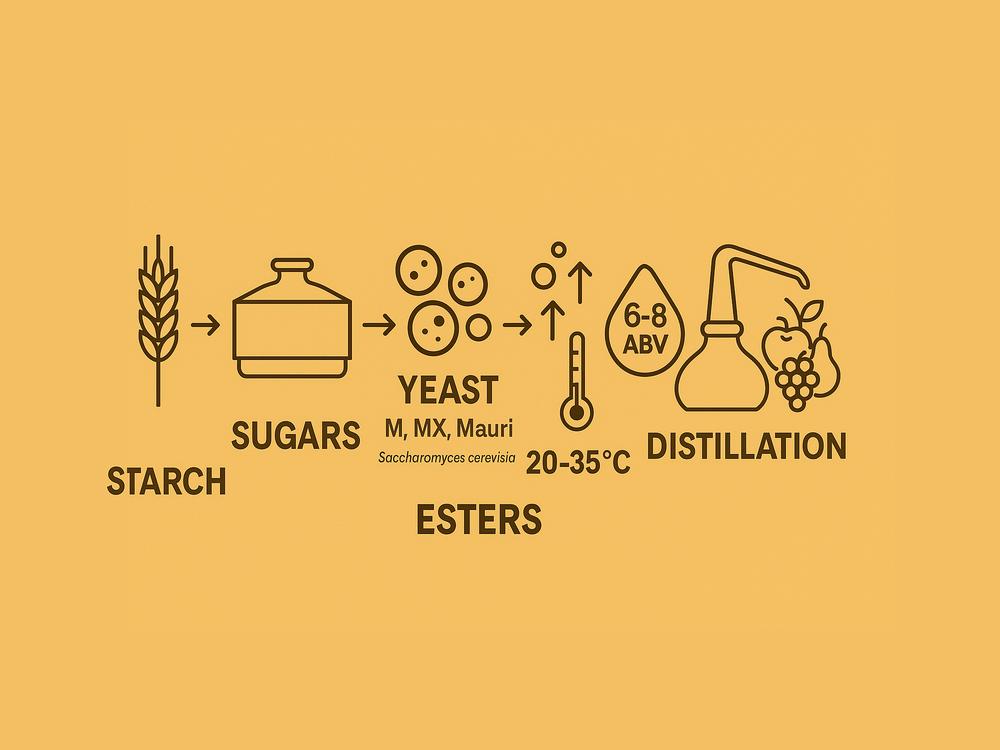
Whisky and Yeast
Published 26/08/2025
Yeasts belong to the phylum Ascomycota, the largest group of fungi. One of its simplest and most useful members is Saccharomyces cerevisiae-the workhorse of brewing, baking and many biotechnological industries from ethanol to enzymes. In whisky, yeast is indispensable: without it there is no alcohol, and without alcohol there is no spirit to distil. Historically, Scotch whisky producers relied on surplus brewery yeast. This shifted to commercial brewers’ yeast and, eventually, to strains propagated specifically for distilling.
Whisky and Yeast
Amburana Wood: a rising star or another whisky fad
Published 20/08/2025
In recent years, there has been a growing interest in the use of Amburana wood for whisky maturation. Amburana (Amburana cearensis) is a South American hardwood long used for cachaça and regional spirits. Lately it’s appeared in whisky-mostly as a finish after primary maturation in oak. The big question: is it a flavour tool worth keeping, or a fast-fading novelty? For background on how wood shapes spirit, see Whisky maturation and the overview of wood types.
Amburana Wood: a rising star or another whisky fad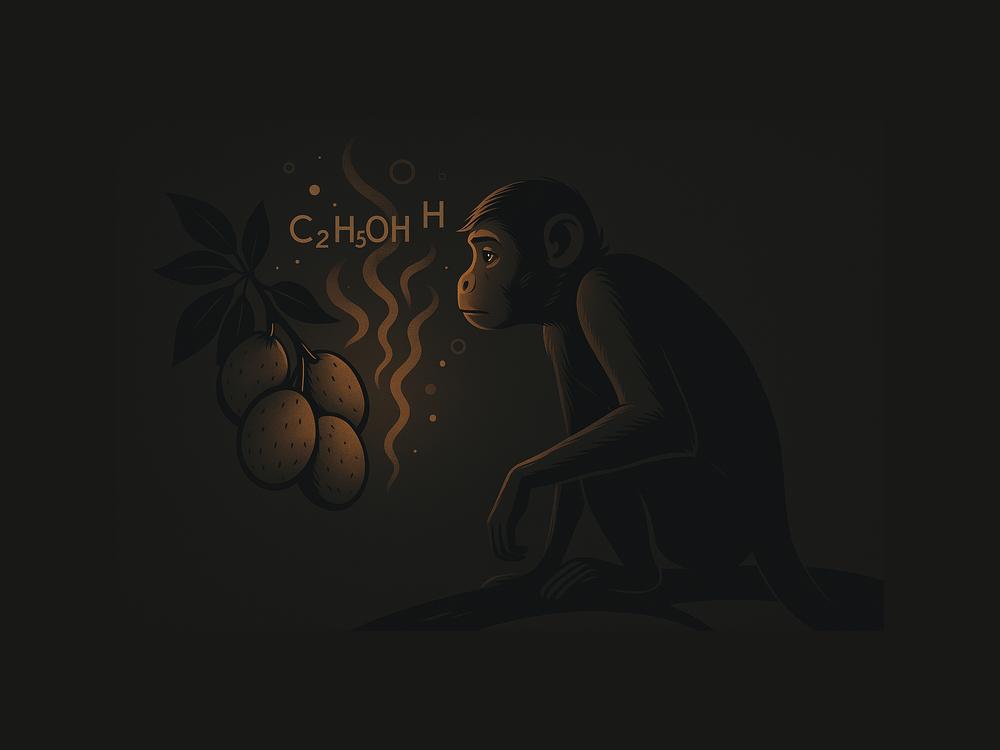
The Drunken Monkey Hypothesis: An Evolutionary Backstory for Our Taste for Alcohol
Published 19/08/2025
The Drunken Monkey Hypothesis: An Evolutionary Backstory for Our Taste for Alcohol Why did humans start drinking is a timeless question, as is the question of why we transitioned from hunter gatherers to sedentry farmers. For both most origin stories for drinking start in granaries and ovens. In the classic “brought indoors for bread” line, the storable calories of cereals-plus the kit to mill, mash, and bake-pulled people into permanent settlements.
The Drunken Monkey Hypothesis: An Evolutionary Backstory for Our Taste for Alcohol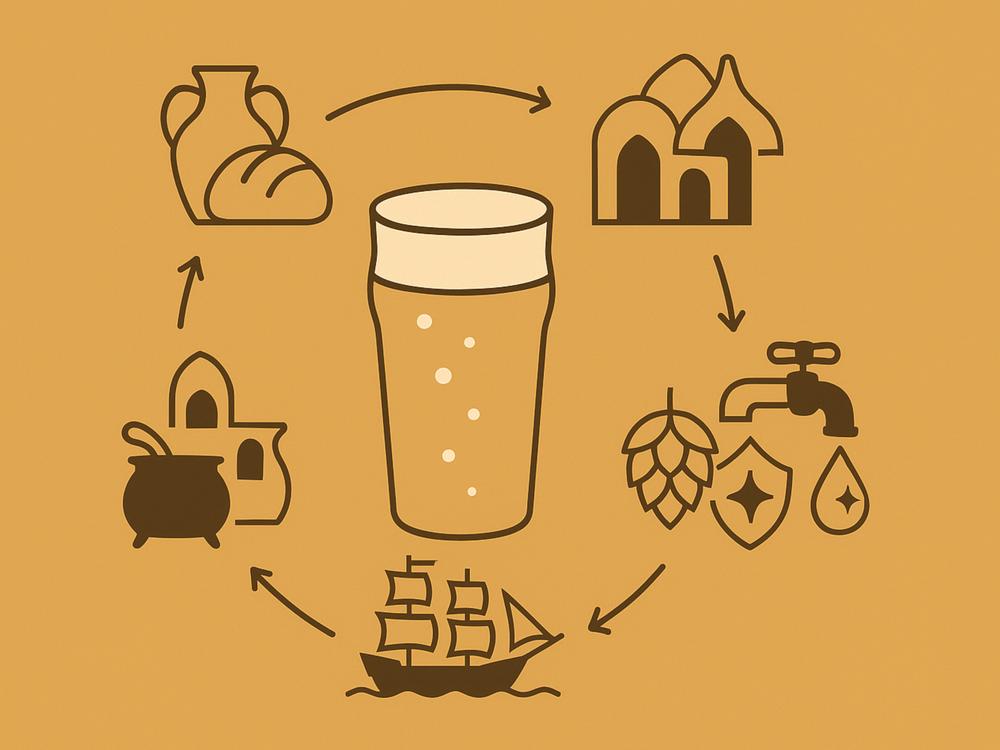
A Short History of Beer
Published 19/08/2025
Before copper stills and dunnage warehouses, there was hot mash and cool fermentation. For much of urban history, beer wasn’t just a treat; it was infrastructure-a reliable daily drink when town water could be suspect. This is a historical sketch of how that came to be, and how IPA later extended beer’s keeping power for long journeys. 1) Ancient beginnings: bread you can drink In the grain cultures of Mesopotamia and Egypt, beer sat on the bread-beer continuum.
A Short History of Beer