

Whisky Fundamentals
Cask filling strength
Published 14/10/2021
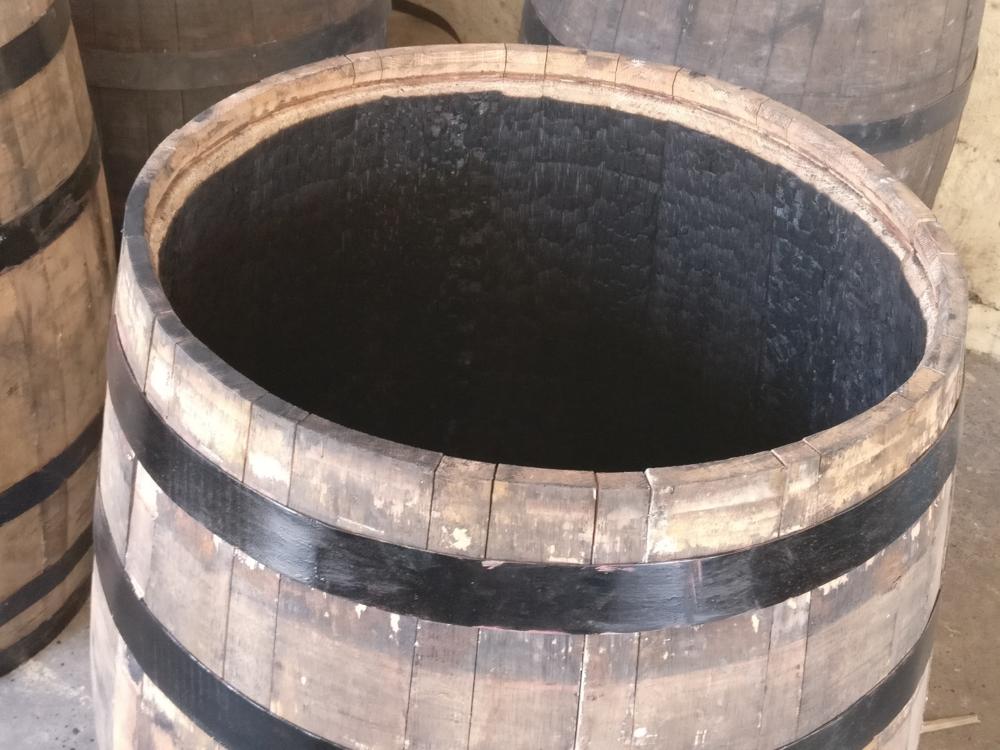
For those curious whisky fans who’ve toured more than a siogle distillery a common number starts to emerge found at virtually all of them 63.5% alcohol. 63.5% is the cask filling abv with which new make spirit is filled into barrels for maturation not to be confused with cask strength. An explanation for this crooked number remains elusive however and no tour guide we’ve spoken to has as yet been able to explain this Is there a scientific basis we’ve been unable to glean?
Cask filling strength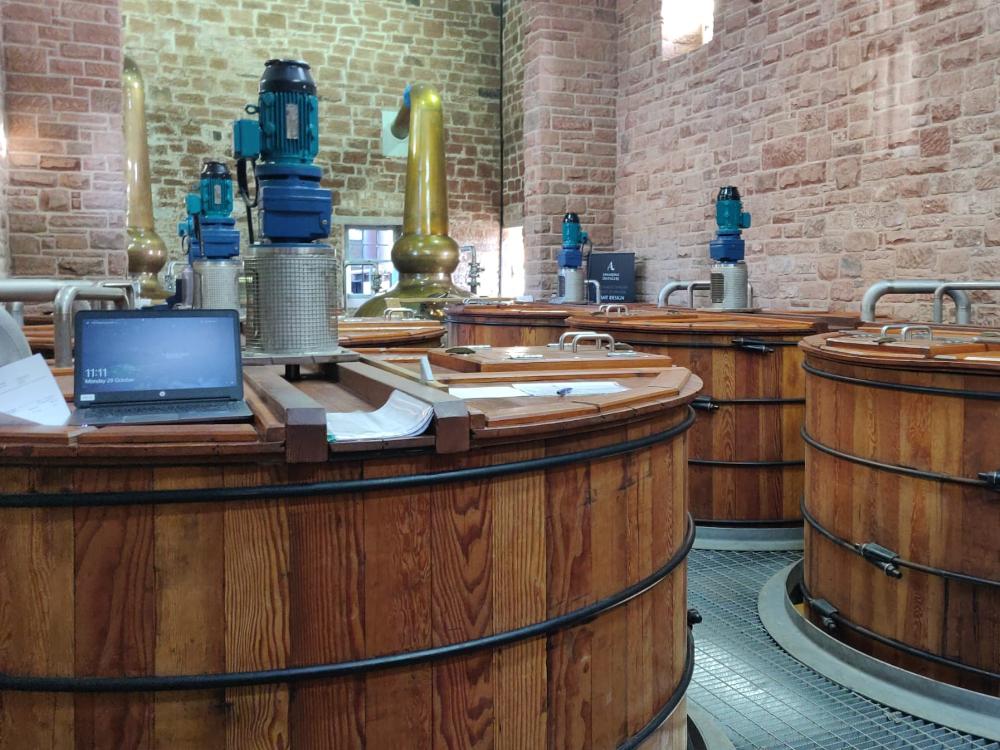
Fermentation
Published 11/10/2021
The part of whisky production in which sugar is converted into ethanol is called fermentation (Latin fermentum = fermentation). After mashing, the wort is typically cooled to 16-19 ° C and the culture yeasts preferred by most distilleries are added in huge fermentation vats - the washbacks. Yeasts the largest group of fungi with over 20,000 species. The yeast fungus Saccharomyces cerevisiae has been used for thousands of years for baking, brewing beer and for making wine and spirits.
Fermentation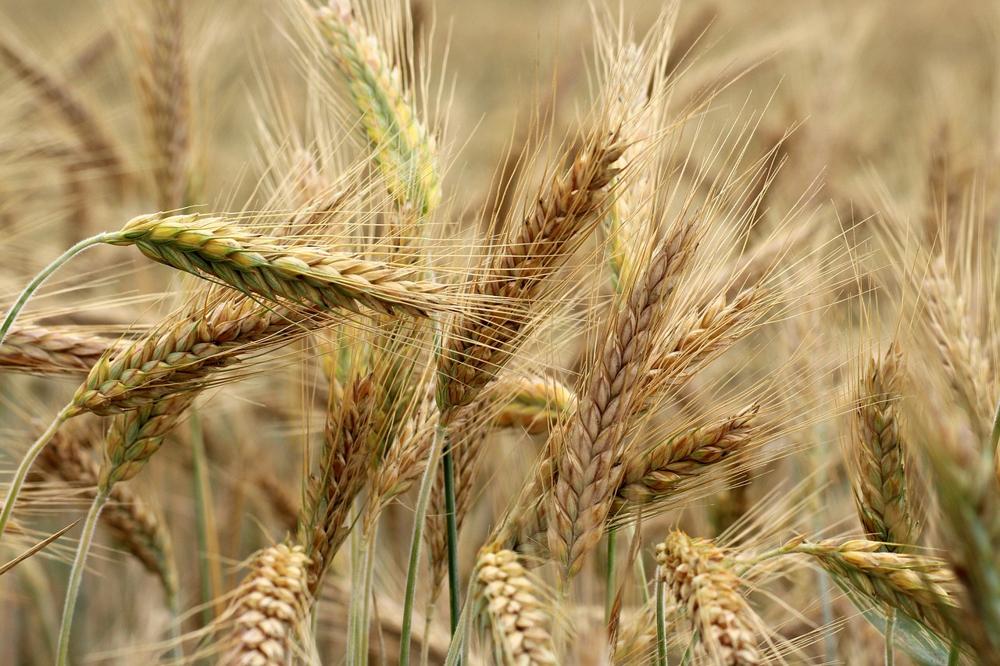
How starch becomes sugar
Published 07/10/2021
Starch is a widespread organic product in the plant world and is present in barley at around 60%. Starch is a long-chain polymer of glucose molecules joined together to store the glucose made by photosynthesis. To begin the fermentation process and make alcohol however the starch must be broken down into fermentable sugars. Starch contains around 20-30% amylose and 70-80% amylopectin. Amylose consists of hundreds to thousands (approx. 200-5,000) glucose units linked together, is in long chains and forms a spiral structure.
How starch becomes sugar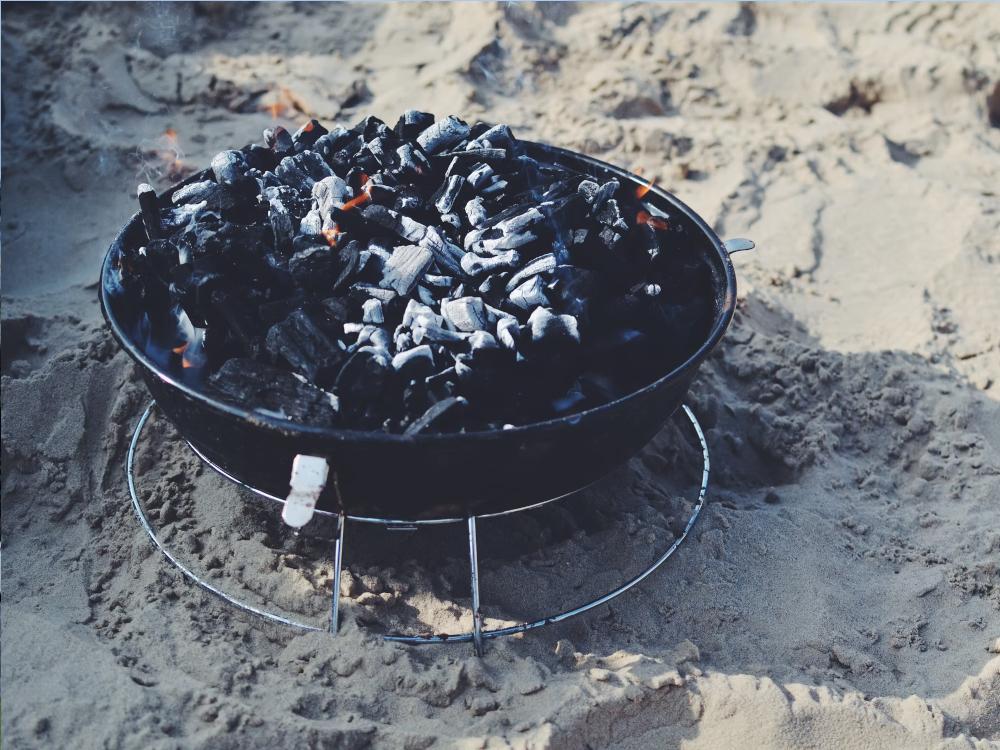
Charcoal mellowing (or the Lincoln County process)
Published 05/10/2021
Probably the most popular and best-selling American whiskey in the world is made according to the prescribed law in the classic way as bourbon. However, the fresh distillate, White Dog to the Americans and New Make to the Scots, undergoes an additional filtration step before it can mature into Jack Daniel’s in charred virgin oak casks. Who invented charcoal mellowing Alfred Eaton is generally credited with inventing the charcoal mellowing process in 1825, commonly called the Lincoln County Process “named after the county in which the original Jack Daniel’s distillery was located”.
Charcoal mellowing (or the Lincoln County process)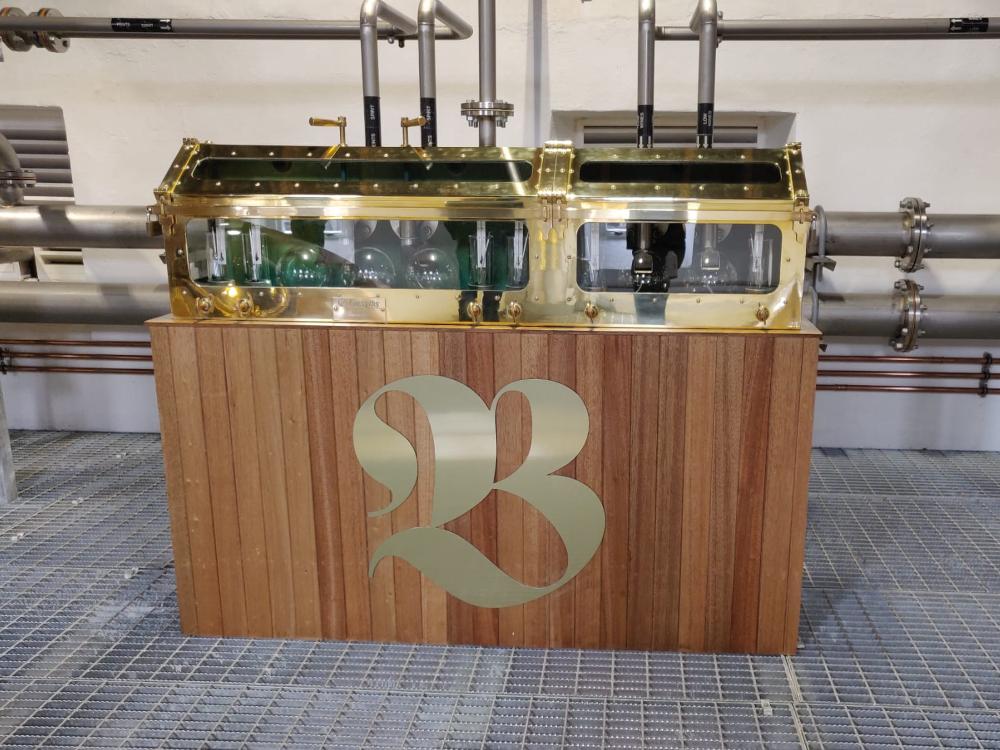
The spirit safe
Published 03/10/2021
In almost every single Scottish whisky distillery there is a spirit safe through which every drop of new make flows. The spirit safe is an eye catching polished brass case with glass panes designed for two purposes: To allow the distillery to analyse and control the flow of the new make To keep track of the volumes of whisky made for tax purposes Prior to 1983 only one key existed to release the padlock on the side of the safe, held by the local Customs and Excise officer.
The spirit safe