

Why Whisky Comes in Glass Bottles(and Not Cans, Plastic, or Tetra Packs)
Published December 10, 2025 by John Fegan
Contents
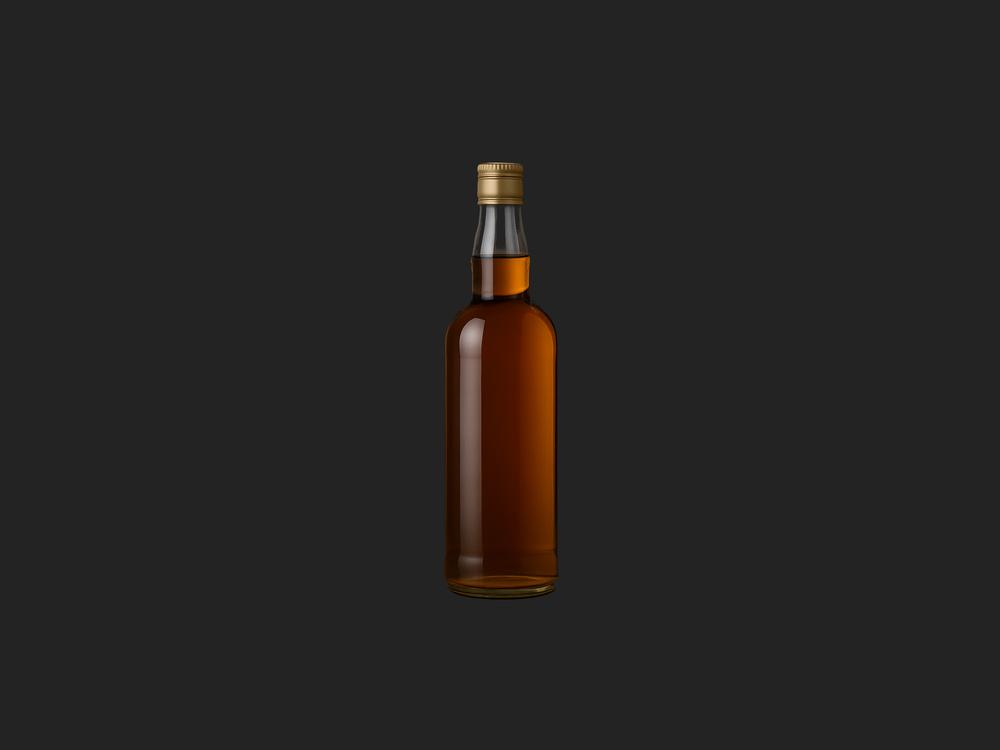
Whisky is packaged in glass because glass is chemically inert and suitable for long-term storage of high-proof alcohol without leaching, corrosion, or flavour alteration.
High-strength spirits can react with or extract compounds from many metals and plastics, making cans and most plastics unsuitable for preserving flavour stability, especially over years or decades. Aluminum cans are also incompatible with high-proof spirits due to corrosion risks unless coated, and coatings are not designed for long maturation periods. Plastics approved for short-term contact with spirits (e.g., miniatures, transport containers) are not appropriate for long-term retail packaging because ethanol permeation and additive migration can occur.
Why Whisky Comes in Dignified Glass Bottles and Not in Shiny Tins or Plastic Nonsense
Whisky, which believes itself to be the pinnacle of civilisation, the sort distilled with patience, pride, and the faint hope that one day someone will sip it and hear angels singing instead of coughing, has always preferred glass. This is not just tradition. Suggest anything else and, in England, whisky would unleash a barrage of complaints so forceful you would need protective gear to read them. North of the border the entire bureaucratic chain is streamlined. There is no paperwork. There is only the unmistakable thump of someone applying Glaswegian diplomacy* to the situation.
*In Scotland a headbutt (or Glaswegian kiss) is generally accepted as both a formal objection and clear documentation.
Why Whisky Will Not Get Into a Tin Can (Even If You Ask Politely)
Unlike beer, whisky is high proof, which means it has enough alcohol to dissolve the self confidence of most metals. If placed in aluminumit starts interrogating the poor metal until the whole arrangement collapses. One of them gives up and it is never the whisky.
Glass, on the other hand, is chemically inert. Or at least gloriously uninterested in everything. It does nothing, reacts to nothing, and steadfastly refuses to participate in any chemical mischief, gossip or unnecessary drama. Whisky, which has spent at least 3 years working on its science project finds this immensely reassuring.
Unlike beer or cola, whisky does not need airtight protection from light and oxygen for short term freshness. While Beer and cola stress about freshness like nervous aunts, whisky is older, wiser and looking for some peace. It needs a stable, neutral home where it can sit quietly and contemplate its past, preferably for decades. Cans are simply too jumpy to offer the same long term serenity.
The Great Plastic Debate
(or: Why High Proof Spirits Look at Plastic and Say “Absolutely Not”)
Plastic, being an enthusiastic and flexible sort of material, has repeatedly attempted to join whisky’s social circle. It bounces up cheerfully, full of optimism. Unfortunately, whisky has a subscription to new scientist rather than a youtube channel. It has learned that high proof spirits can coax out flavours from plastic that hint alarmingly of a recently discarded shopping bag*. Fans of whisky, who usually prefer their drink without notes of melted convenience store, tend to object to this.
*A shopping bag that has been unceremoniously dumped, is regularly drowning its sorrows before breakfast, and has acquired the unsettling habit of waking up in strange shopping trollies full of regret.
There are specialized plastics that can safely contain spirits for short periods (the kind measured in days and weeks rather than years), such as airline bottles. Suggest long term storage, however, and whisky becomes deeply uncooperative. “Plastic?” it sniffs. “I am a 15 year single malt, not a shampoo refill.”
Tetra Packs and Whisky That Is Not Quite Whisky (Or, over in India)
India, being both practical and enthusiastic about spirits, embraced Tetra Pak whisky long before the rest of the world even considered the idea. These lightweight cartons are cheap, sturdy, and unlikely to shatter during a lively evening, which are highly desirable features in many parts of the subcontinent.
But here is the interesting bit, spoken softly so the bottles do not hear:
A large portion of Indian “whisky” is not whisky in the traditional sense at all. It is often made from molasses based neutral spirits, which are chemically closer to rum, with a dash of grain spirit or flavouring to make it taste whiskyish.
This is why using alternative packaging like Tetra Pak does not raise the same alarms among purists. If the contents are not ageing for decades or extracting delicate nuances from casks, then they do not need a glass bottle to preserve those subtleties. The drink is made to be consumed, not contemplated.
Still, even in India, premium and genuine malt whiskies insist loudly on glass. Some traditions are universal.
In Summary, As Whisky Might Explain It
- Glass is inert, elegant, and respectful, which makes it perfect for high proof, long maturing spirits.
- Cans are for fizzy, short lived beverages that enjoy being stacked into pyramids.
- Plastic and whisky have an understanding: whisky will not live in it, and plastic will not complain.
- India happily employs Tetra Packs for everyday spirits, many of which are rum masquerading as whisky with a moustache drawn on.
And somewhere, in a quiet Scottish warehouse, a cask sighs contentedly in agreement.