

Whisky Fundamentals
Barley Varietals and Whisky Production
Published 22/07/2020
Barley, water and yeast are the only ingredient in Single malt Scotch (colourings aside) but few whisky drinkers seem to know or care much about it. Bruichladdich whisky distillery among others feels very differently about this, as shown by their recent terroir experiment, and few are keen to admit that more and more is being produced not in Scotland but in England. How much Malted Barley is used for Whisky Making?
Chill Filtration
Published 22/07/2020
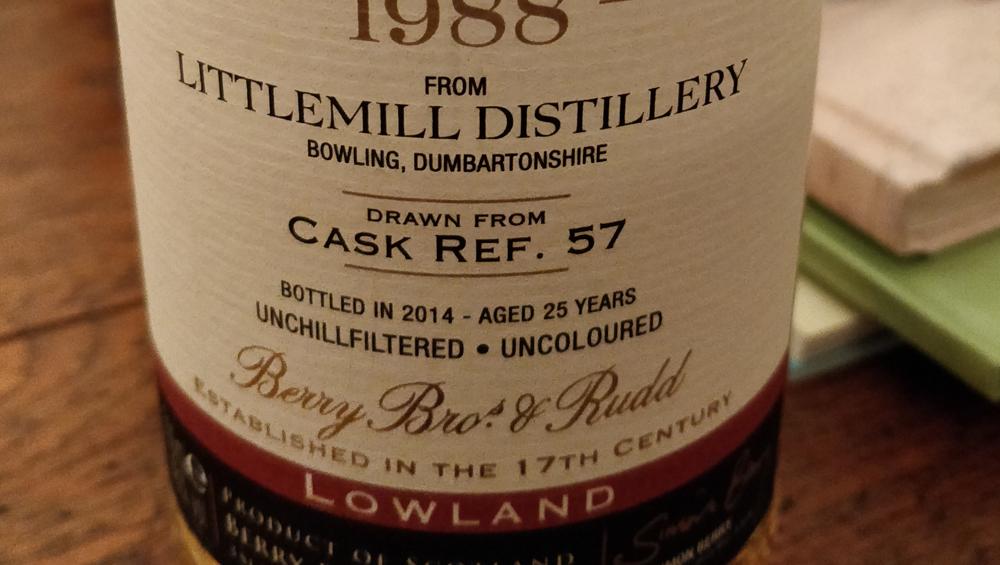
‘Non chill-filtered’ the term sounds good on the label of a whisky bottle. And many whisky connoisseurs are firmly convinced that an unfiltered single malt is the way it should be. But what exactly happens with the chill-filtration of whisky? And do unfiltered whiskies really taste better? Are ‘non chill-filtered’ whiskies better than chill-filtered whiskies? The general consensus is that from a purely taste perspective the impact is so small as to be unnoticible in a blind tasting.
Chill Filtration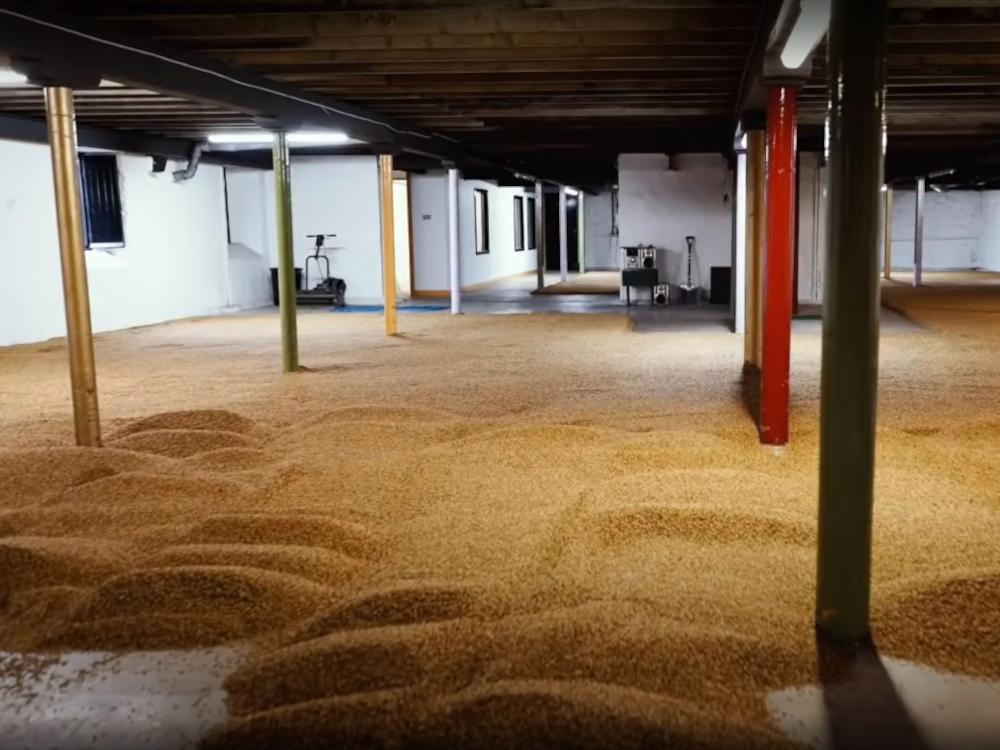
Floor Maltings
Published 22/07/2020
Only a few Scottish distilleries still malt their barley themselves, many malting floors have long been mothballed. All the more exciting, what actually happens there on the remaining malt floors and how the barley is prepared for firing. Why is barley malted before whisky distillation? Before malt whisky is made, the barley is almost always malted. This is because the barley contains the required sugars in an unprocessed starch form. For this sugar to be useable for fermentation it must first be converted into a simple maltose sugar that the yeast can then convert into alcohol.
Floor Maltings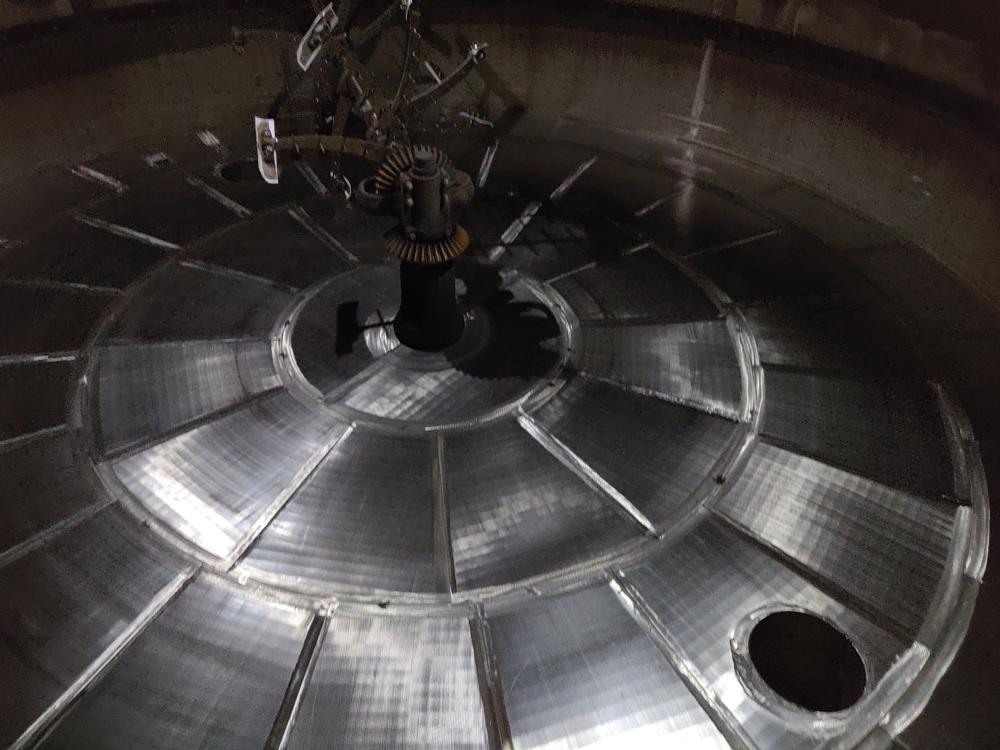
How did distillation come about?
Published 22/07/2020
William Faulkner said that civilization begins with distillation. Taking stock of the progress of a civilization through the prism of its scientific and cultural advances in distillation is commendable. Distillation requires knowledge in many fields - agriculture, chemistry, biology, metallurgy, technology - as well as know-how in terms of conditioning, packaging and logistics. The above are the technical measures, but the cultural and sensory criteria require an audience with experienced taste buds and purchasing power to acquire the finished product and recognize its qualities.
How did distillation come about?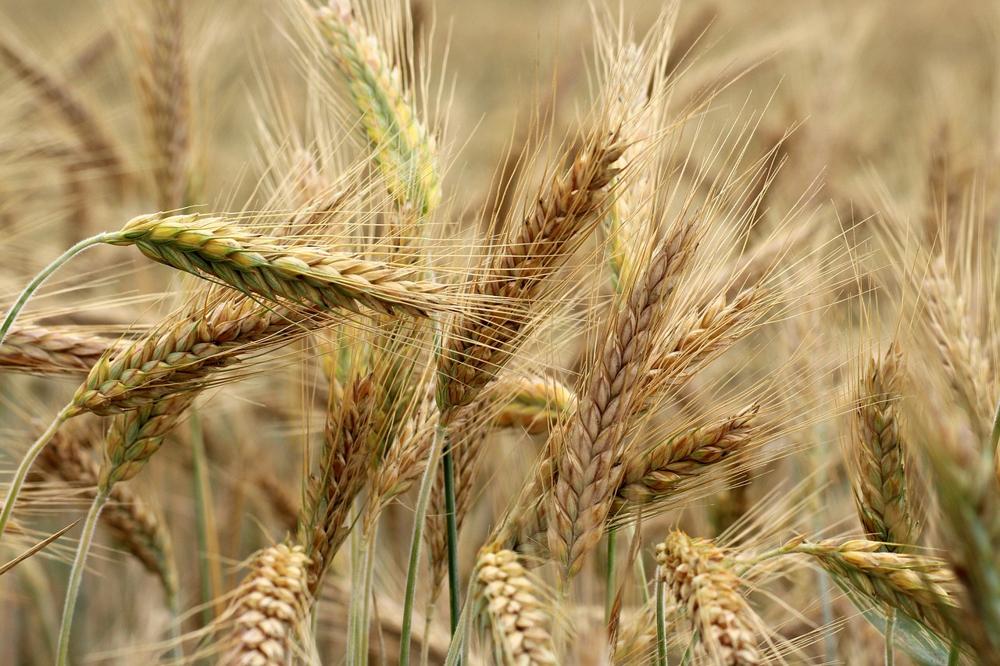
Is whisky gluten free?
Published 22/07/2020
Yes. Only the most allergic risk any issue as the distillation process, particularly of grain whiskies removes most of the protien. All products that contain less than 20 ppm (parts per million) of the protein are considered gluten-free. This whisky can be said to be gluten-free. Those with celiac disease cannot tolerate most grain products and should avoid them. Scotch whisky is also made from grain. In the case of single malts, malted barley comes into the stills, with blends it is a mixture of different types of grain.
Is whisky gluten free?